The Biomechanics of Ankle Stabilisation
The ankle joint relies on a network of ligaments (most commonly the lateral ligaments) to maintain stability. When the ankle is "rolled" or twisted, these ligaments are stretched or torn, resulting in a sprain. Even after healing, the joint often retains residual instability, which can lead to recurrent injuries.
An orthopaedic ankle brace is designed to act as an external structure, protecting the joint by mechanically limiting the harmful movements that cause sprains, primarily inversion (rolling the foot inward).
Preventing Re-Injury and Chronic Instability
For athletes or those with Chronic Ankle Instability (CAI), prevention is the focus. A high-quality brace provides:
- Mechanical Limit: The rigid or semi-rigid components physically restrict the angle at which the ankle can roll, protecting the healing ligaments from over-stretching during sudden stops or changes in direction.
- Proprioceptive Feedback: The snug fit provides continuous feedback to the brain regarding the ankle's position. This enhanced awareness helps the muscles react faster to instability before an injury can occur.
- Support for Return to Sport: Wearing a stabilising brace is often an essential step in rehabilitation, allowing the user to safely resume training or work while the underlying ligaments continue to strengthen.
Choosing the Right Stabiliser: Rigid vs. Compression
Selecting the correct ankle support depends on the required level of stabilisation versus flexibility.
Rigid/Semi-Rigid Brace
The primary mechanism of a rigid or semi-rigid brace is mechanical restriction, achieved through supportive components like stays, straps, or shells.
Best Use Case: These are essential for acute injury recovery, providing necessary immobilization for healing. They are also vital for high-impact sports and the long-term management of chronic instability.
Compression Sleeve
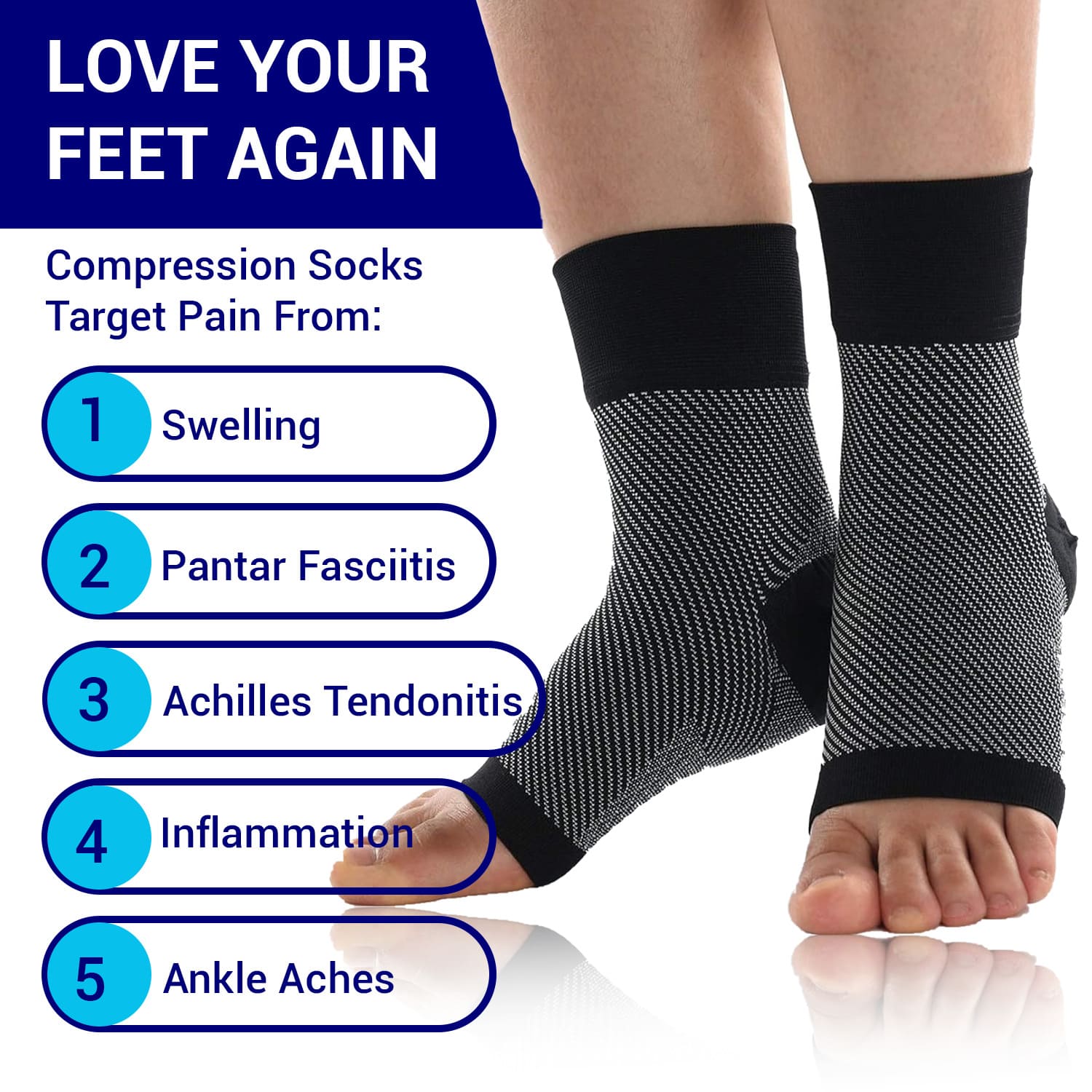
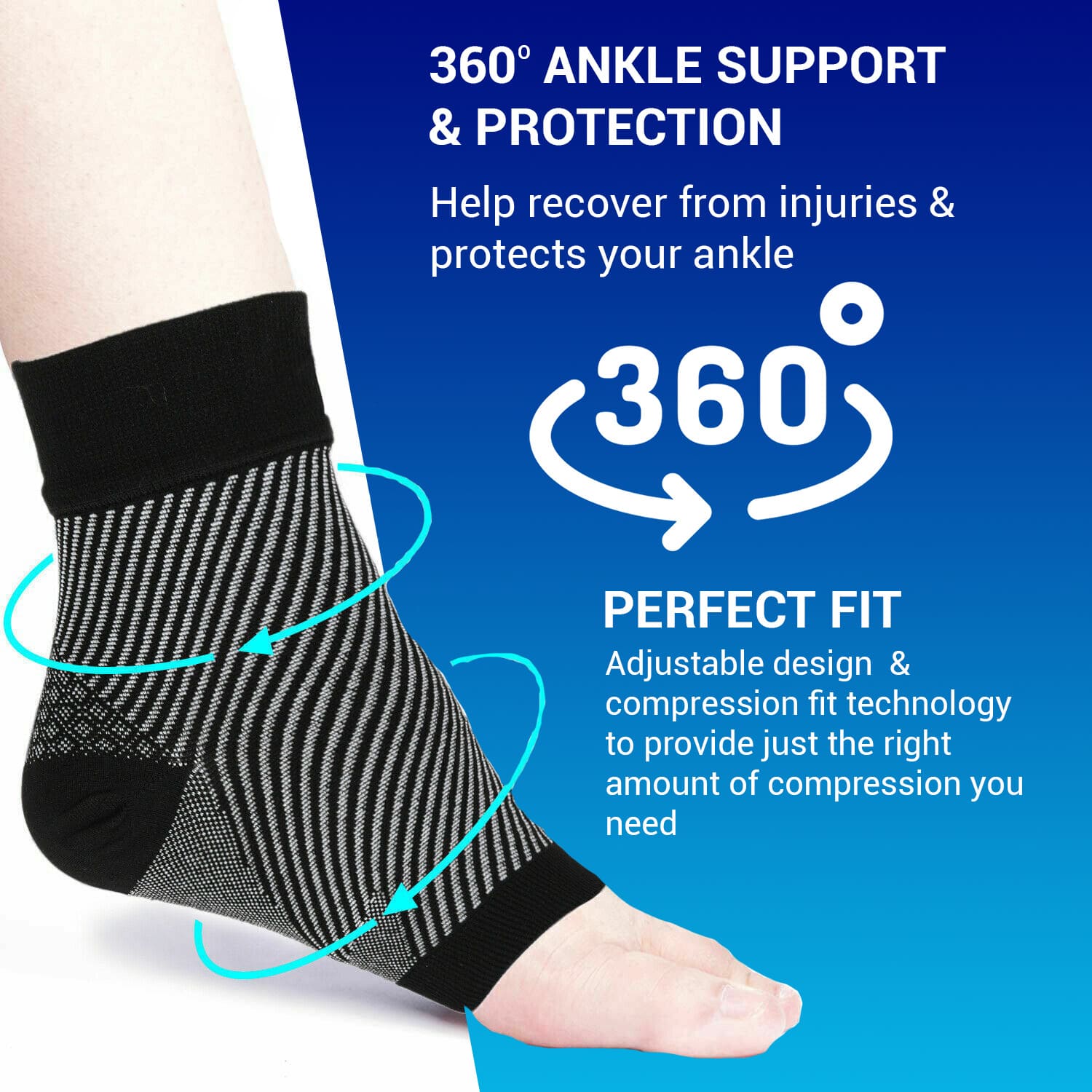
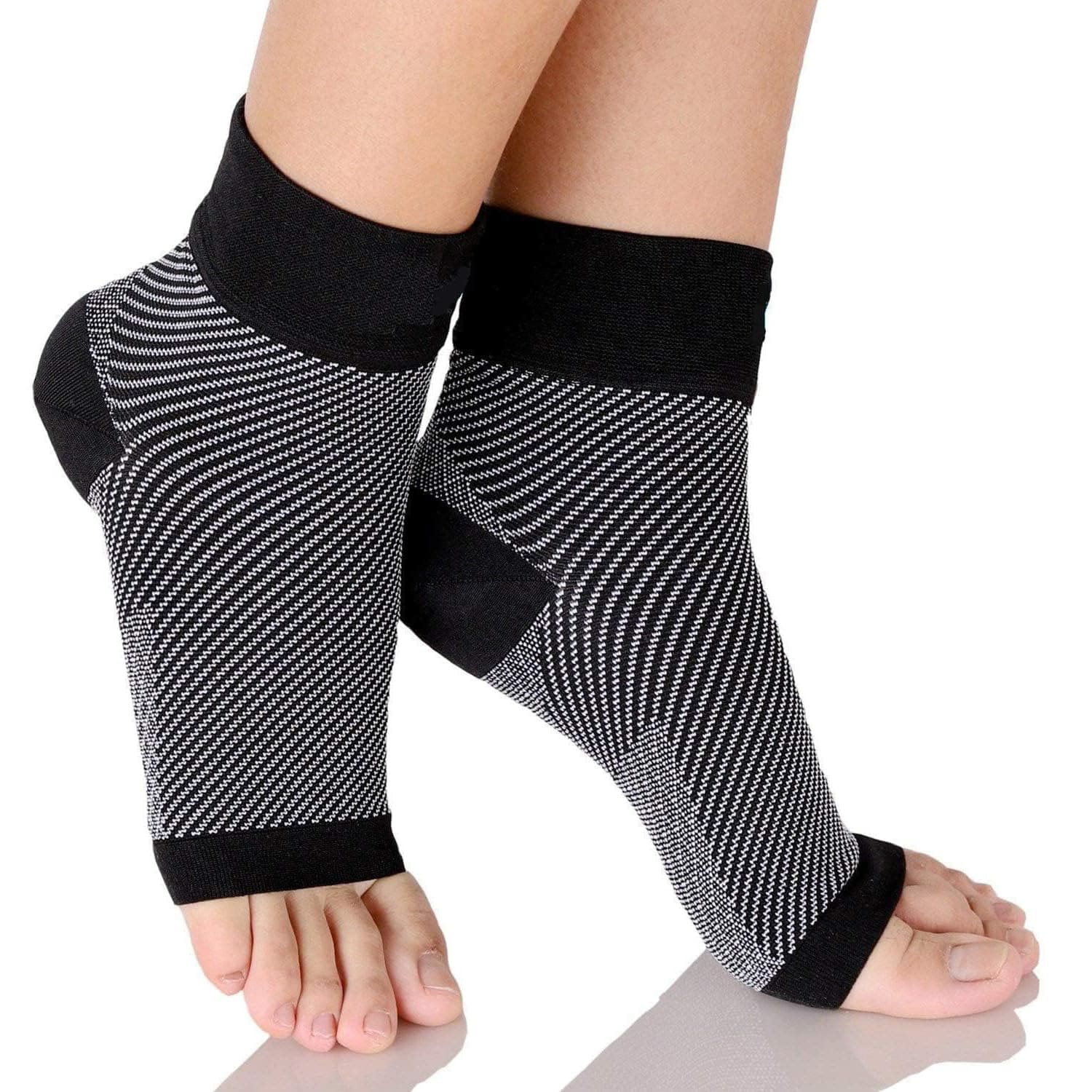
The primary mechanism of a compression sleeve is delivering gentle pressure, warmth, and oedema reduction.
Best Use Case: Compression sleeves are best suited for mild pain, managing general fatigue, and providing basic support. They are less effective for sprain prevention as they do not offer the mechanical restriction required to stop the ankle from rolling.
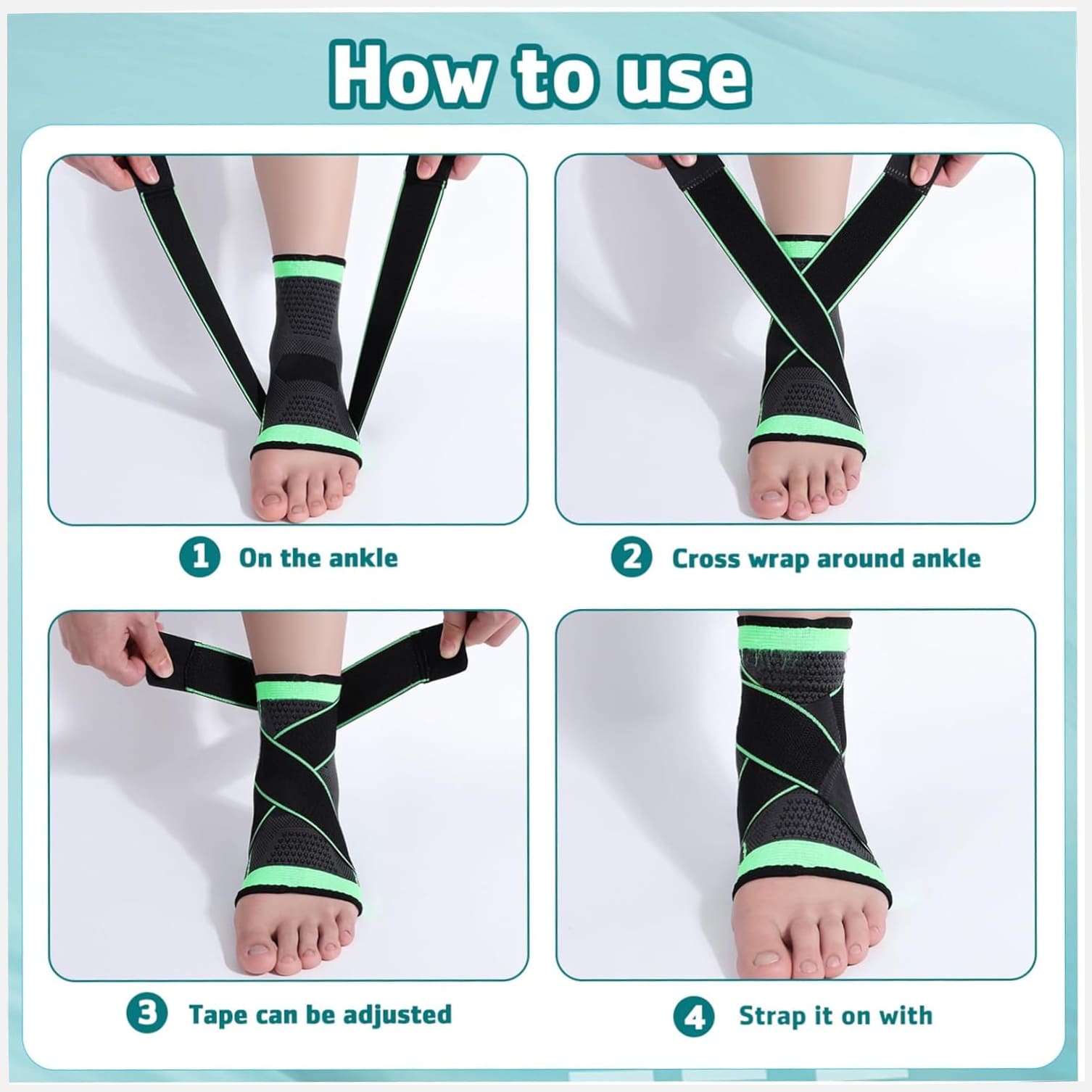
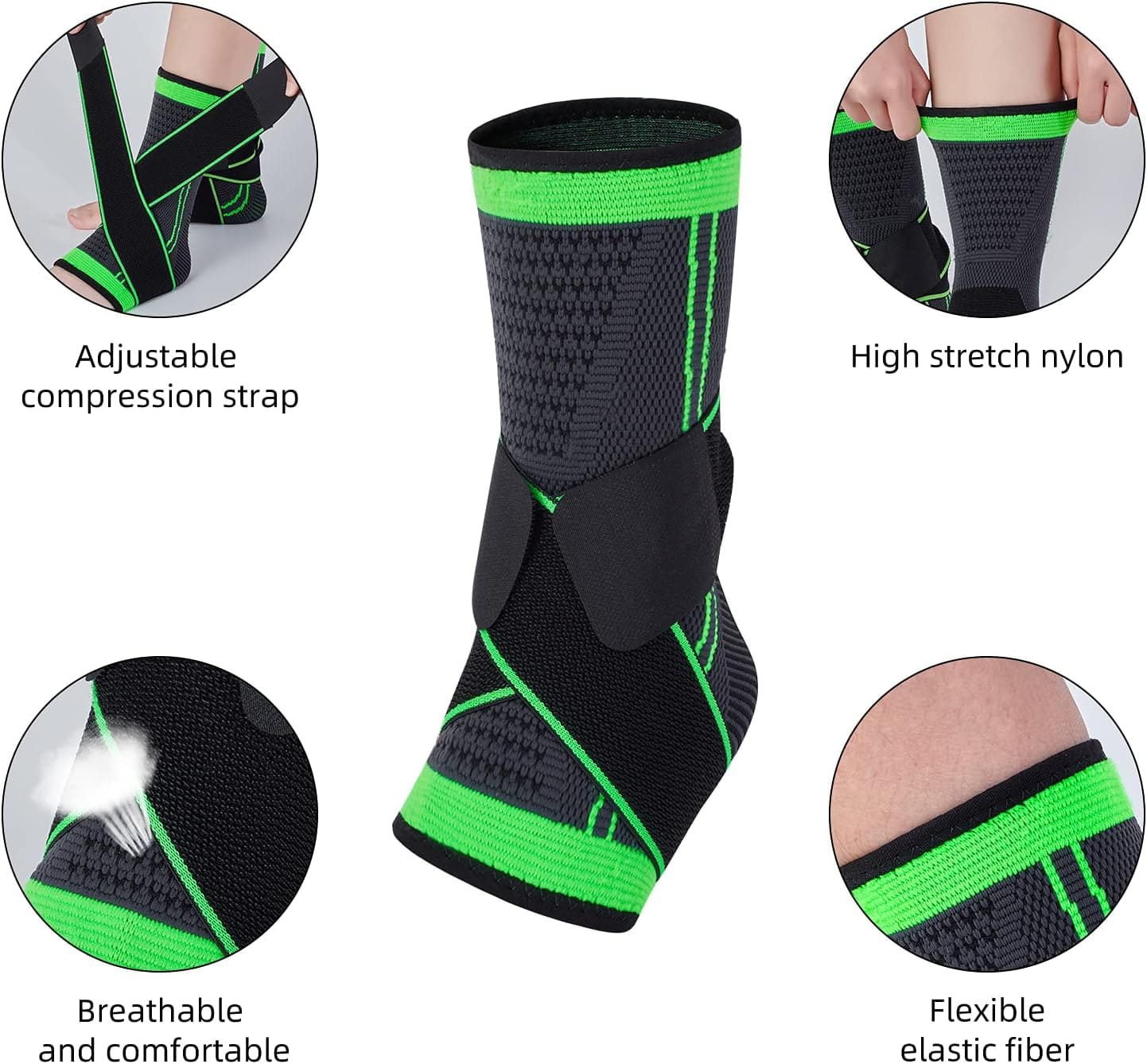
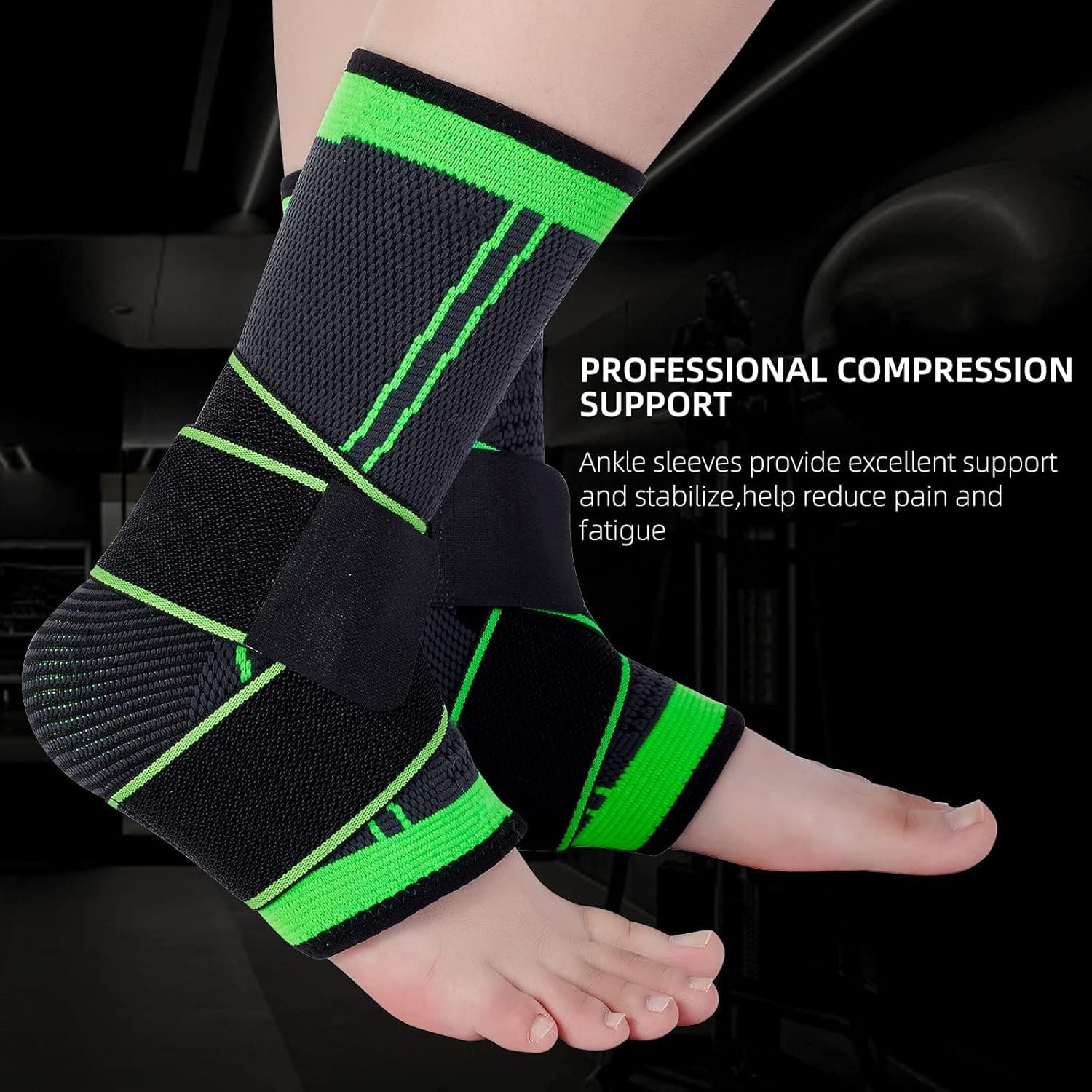
Our Ankle Support Brace is engineered to deliver moderate-to-firm structural support, making it suitable for both acute recovery (as guided by a physiotherapist) and active sports prevention. The use of adjustable straps and lace-up designs ensures a customized, locked-in fit crucial for stability.
Comfort and Compliance: Designed for Australian Activity
For an ankle brace to aid recovery, it must be worn consistently. Comfort and fit are paramount, especially when fitting the brace inside common Australian footwear.
Optimised for Shoe Fit
Our brace designs prioritise a low-profile fit. They are engineered to contour closely to the ankle without excessive bulk, allowing them to be worn inside most athletic shoes, work boots, and trainers without needing to buy a larger shoe size. This ensures continuity of support throughout your day.
Material Breathability and Hygiene
Wearing a supportive brace during intense activity or warmer weather necessitates high-quality materials. Supeak braces utilize breathable, moisture-wicking fabric linings to minimize sweat buildup, prevent skin irritation, and maintain hygiene—an essential factor for Australian users who wear their supports for extended periods.
Sizing and Fitting for Maximum Efficacy
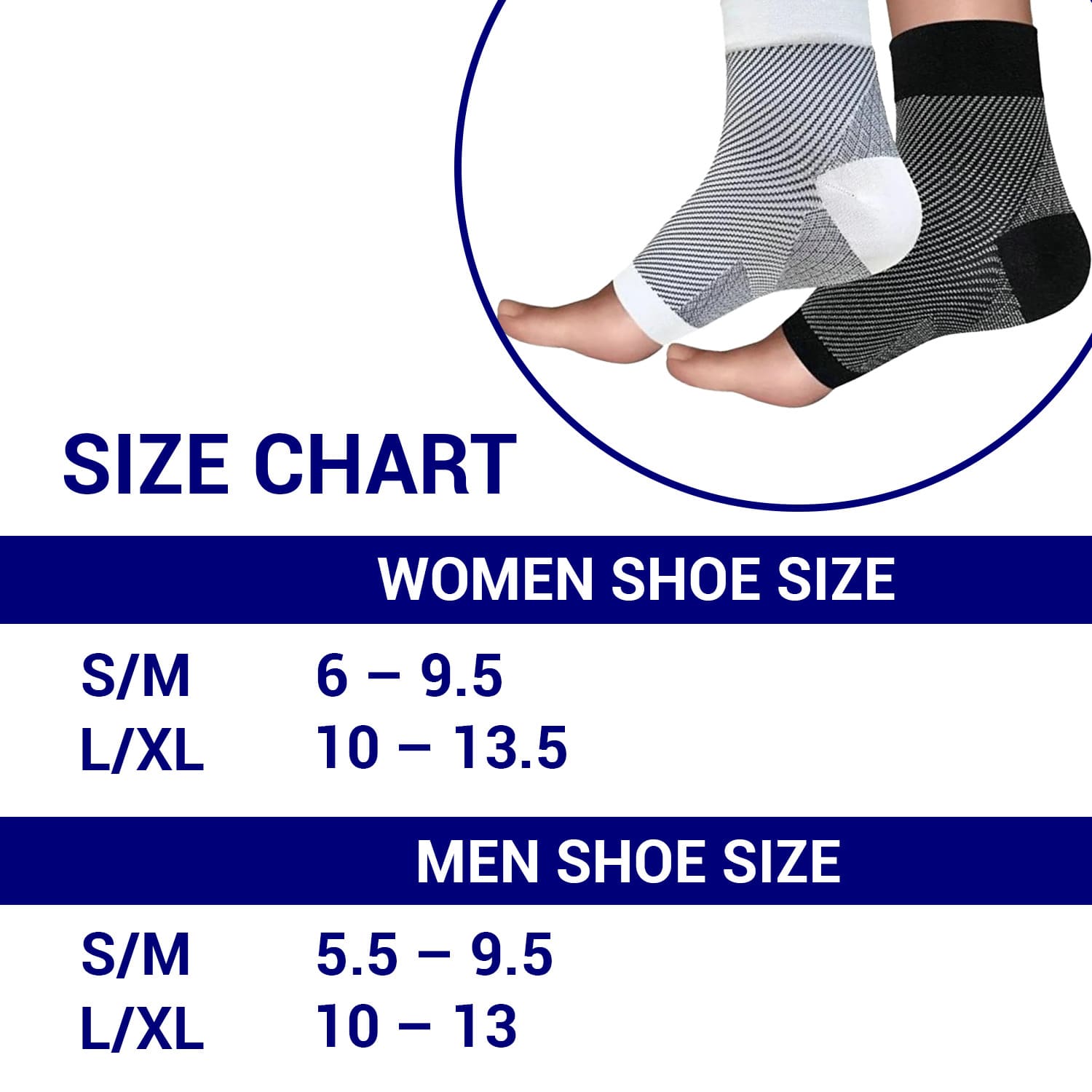
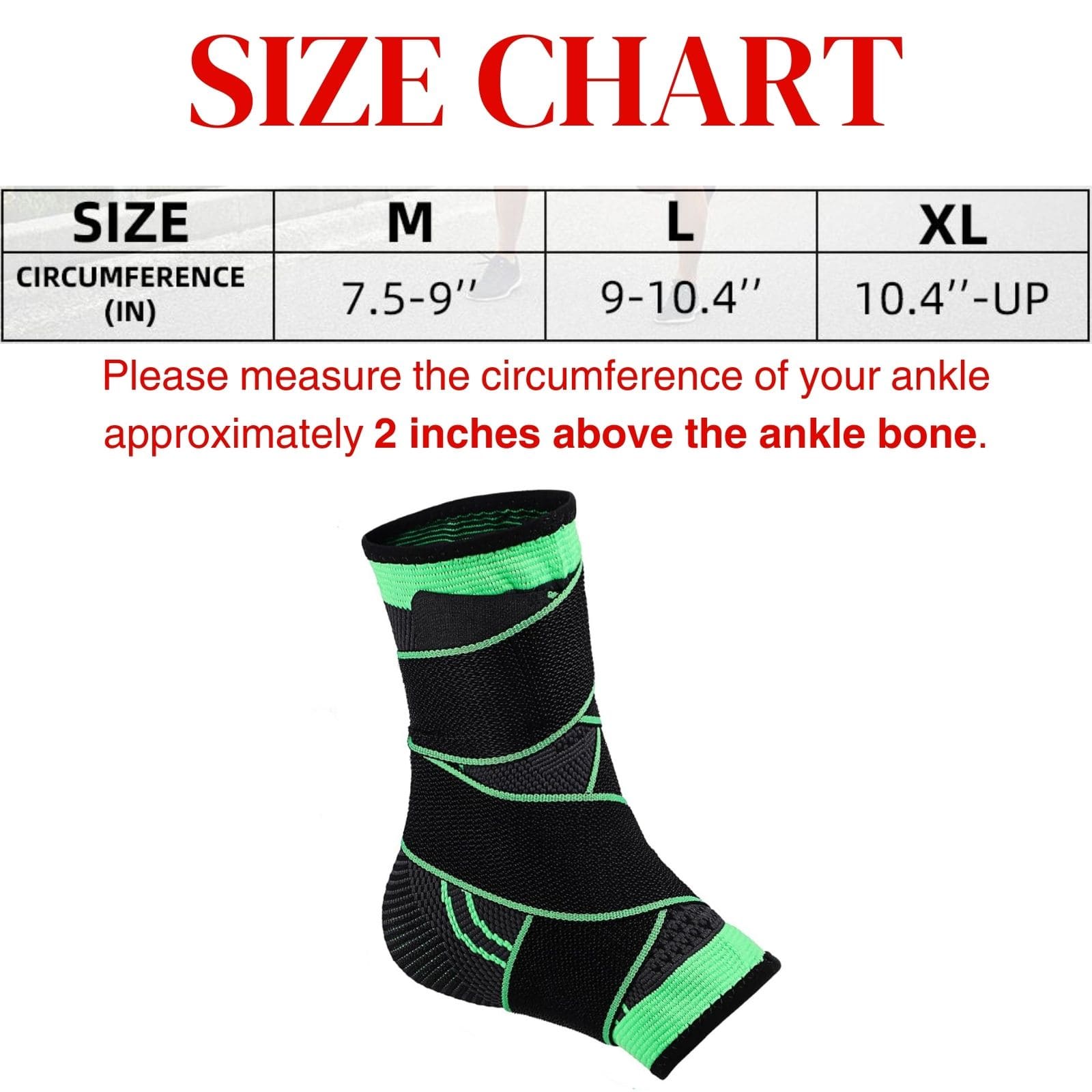
The effectiveness of any ankle stabiliser is entirely dependent on its fit. An incorrectly sized brace may slip, rub, or fail to limit dangerous movements. Accurate measurement is critical to ensure the stays and straps align correctly with the anatomical contours of your ankle and foot. Please refer to the specific product sizing guide, often requiring a measurement around the heel and instep, not just shoe size, for optimal therapeutic benefit.

 Sale
Sale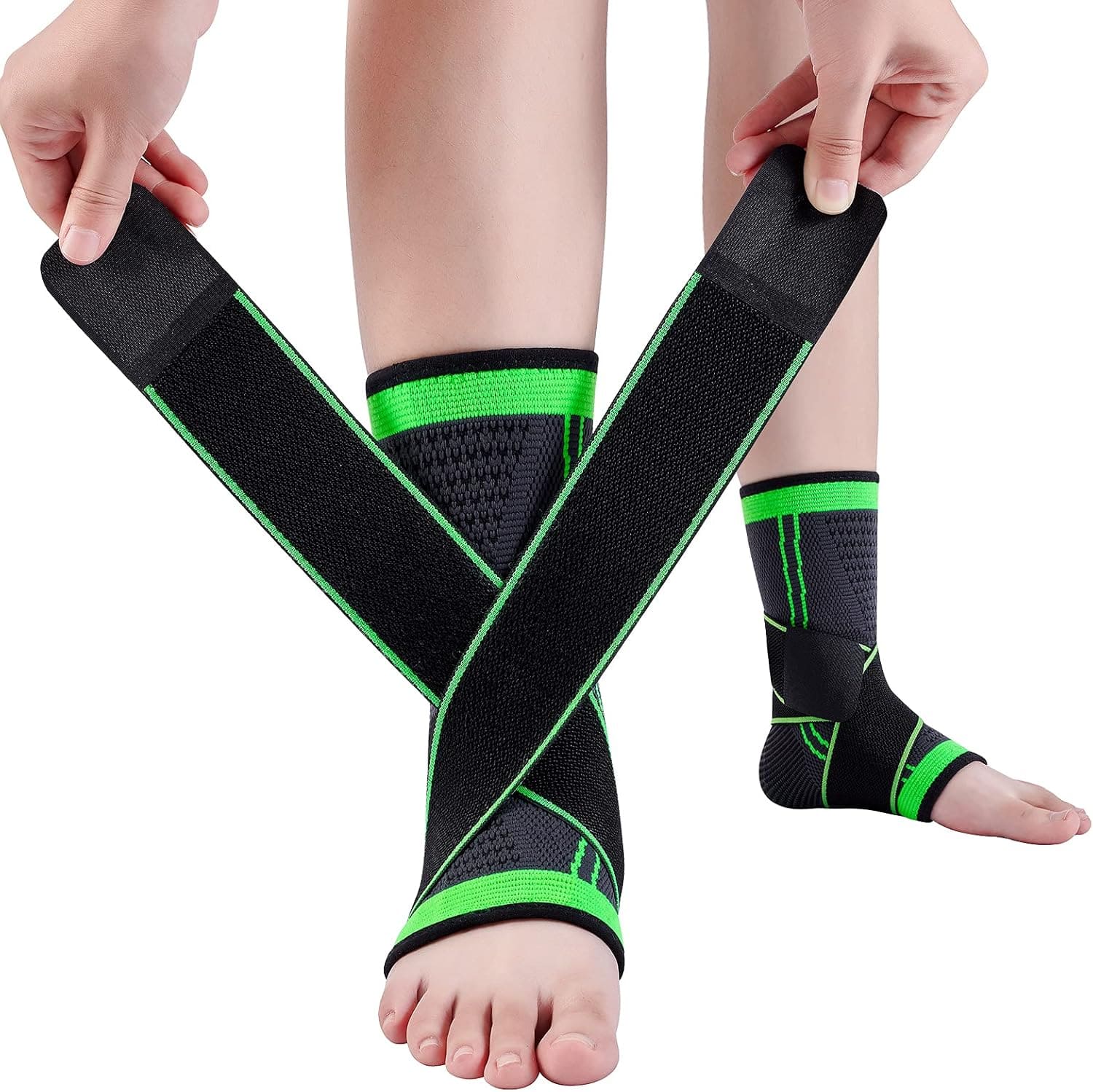 Sale
Sale