Understanding and Managing Plantar Fasciitis
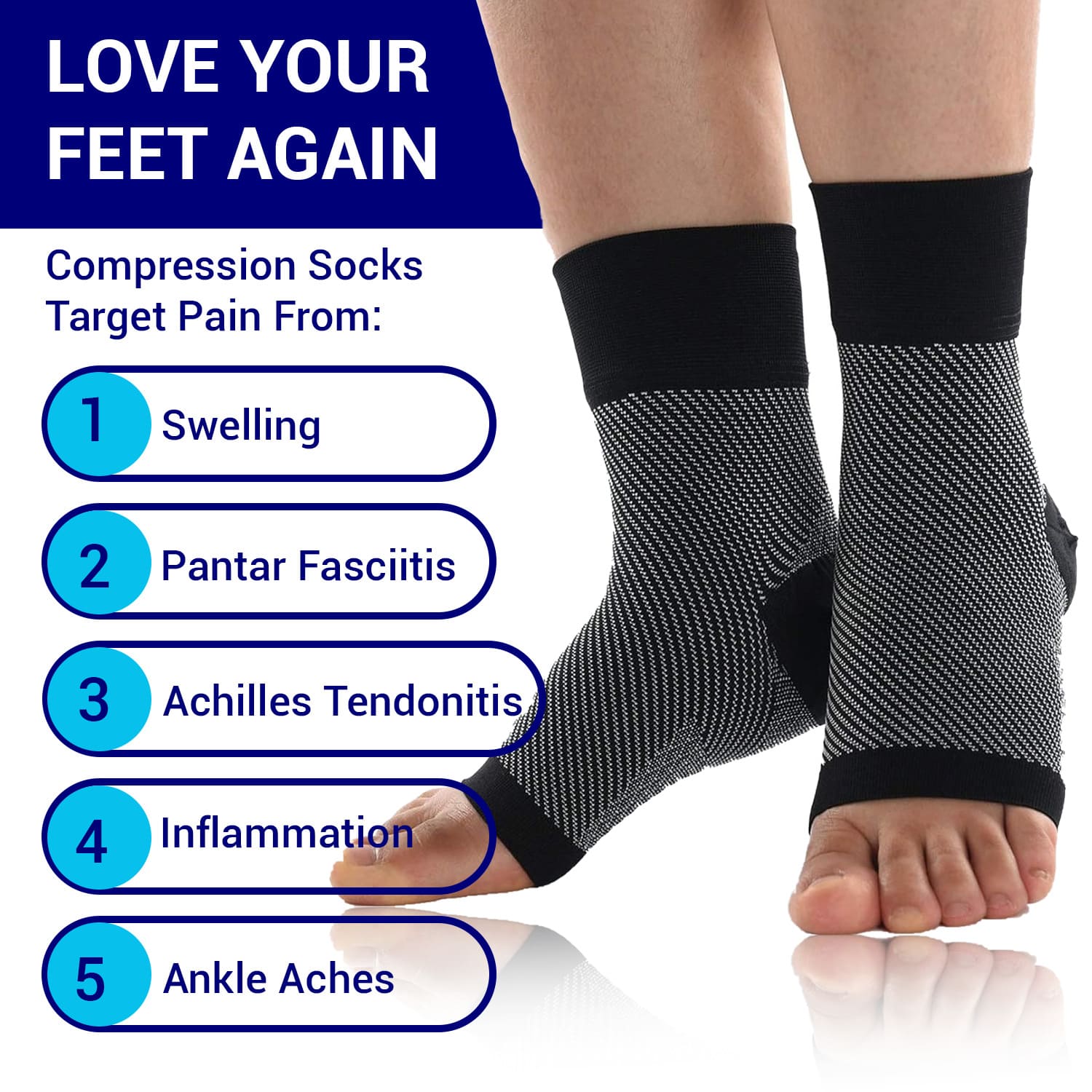
Plantar Fasciitis (PF) is the most common cause of pain under the heel. The plantar fascia is a thick, web-like ligament that acts as a shock absorber and supports the arch of your foot. When it becomes chronically inflamed, simple actions like standing or walking become agony.
The pain is often most acute:
- During the first steps in the morning or after a long rest.
- After periods of prolonged standing or activity.
The Science Behind Therapeutic Compression
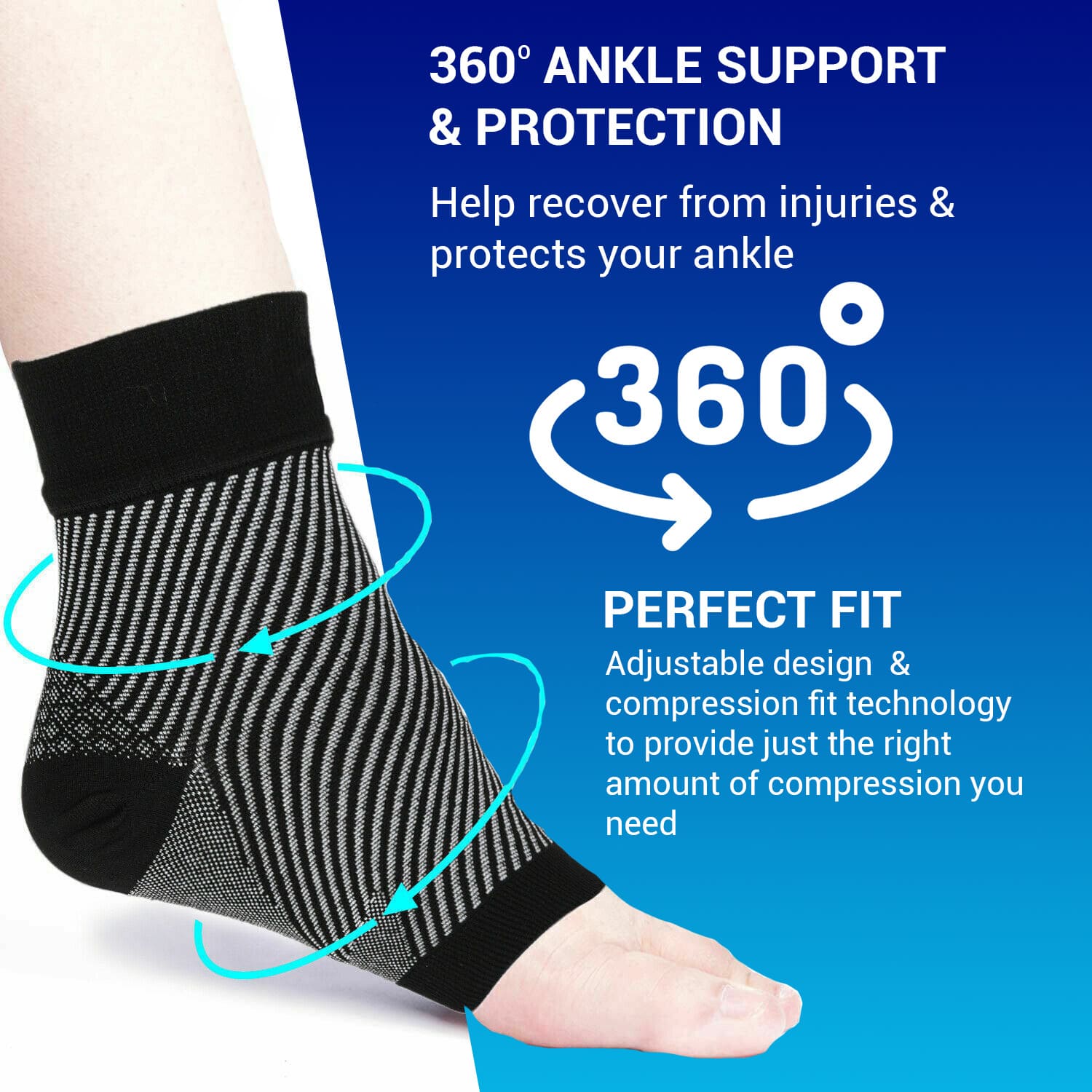
Our relief products are designed around the principle of Zone Compression Technology. This means pressure is strategically applied to specific areas of the foot to achieve a therapeutic effect:
- Arch Lift: Compression gently lifts the arch, preventing the fascia from over-stretching and tearing with each step. This reduces the mechanical strain that causes inflammation.
- Circulation Boost: Compression encourages better blood flow. Increased circulation is vital for carrying away inflammatory by-products and bringing nutrients to the damaged tissue, which aids in healing.
- Oedema Reduction: By reducing fluid pooling in the heel and ankle area, the compression helps alleviate the associated swelling and stiffness.
Choosing the Right Support: Socks vs. Sleeves
While both product types achieve compression, they suit different lifestyles and times of day.
Choosing the Right Support: Socks vs. Sleeves
While both product types achieve compression, they suit different lifestyles and times of day.
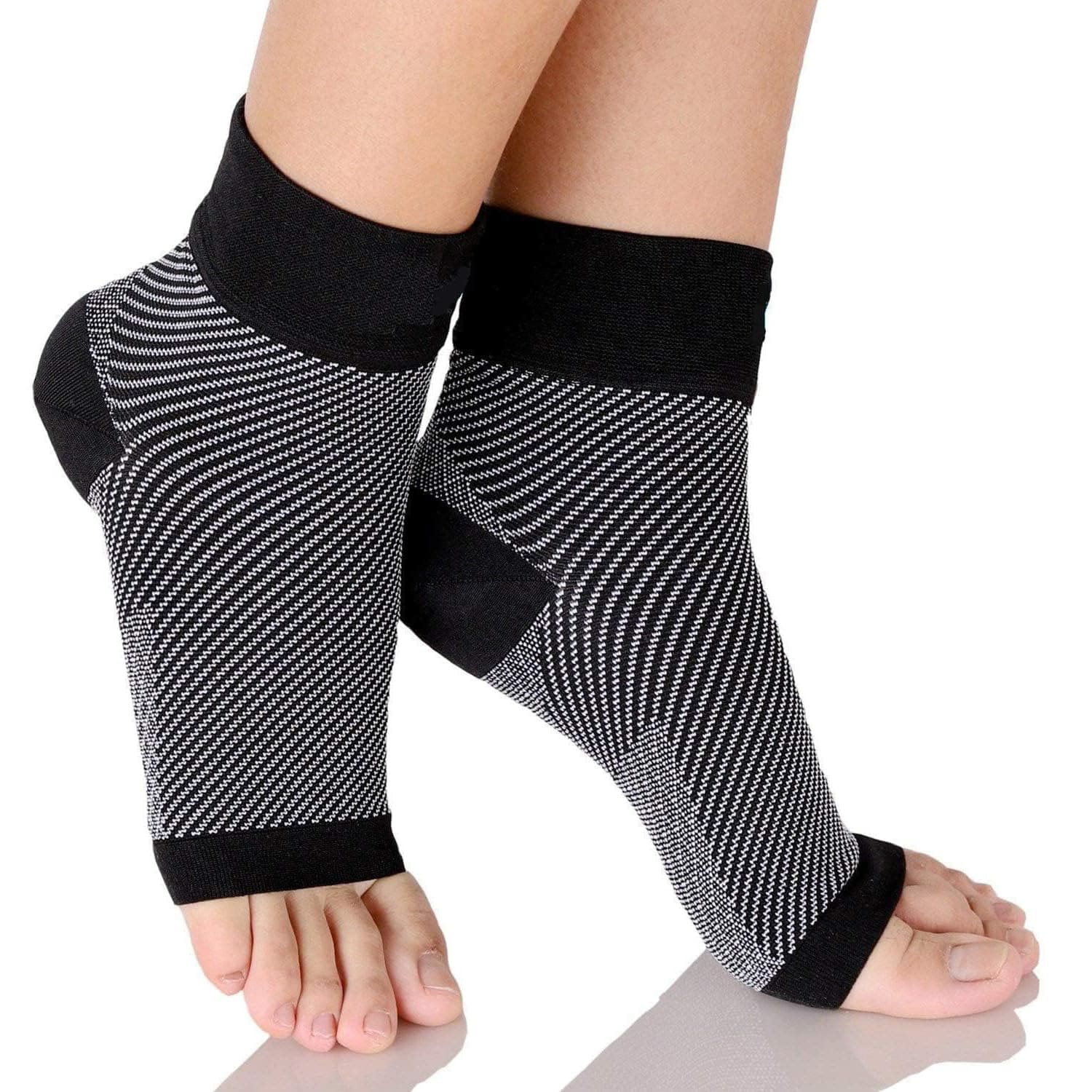
Compression Socks
Primary Use Case: Daytime wear, post-activity recovery, and sleeping.
Key Benefit: Offer Full foot and ankle coverage for uniform thermal regulation and provide support for the Achilles tendon.
Arch Relief Sleeves
Primary Use Case: Wearing inside tight shoes, sandals, or with other socks.
Key Benefit: Feature a low profile, are easy to use, and offer highly focused pressure on the arch and heel only.
Night-Time Management
For PF sufferers, managing the foot position while sleeping is critical. As the fascia ligament shortens overnight, the first step in the morning can cause a jarring re-tear. Wearing compression socks to bed helps maintain a gentle, beneficial stretch, which is why many Australians find them an easier-to-wear alternative to rigid night splints.
Comfort and Sizing: Key to Effective Relief
For compression to be effective and safe, the fit must be precise. Choosing the correct size is non-negotiable.
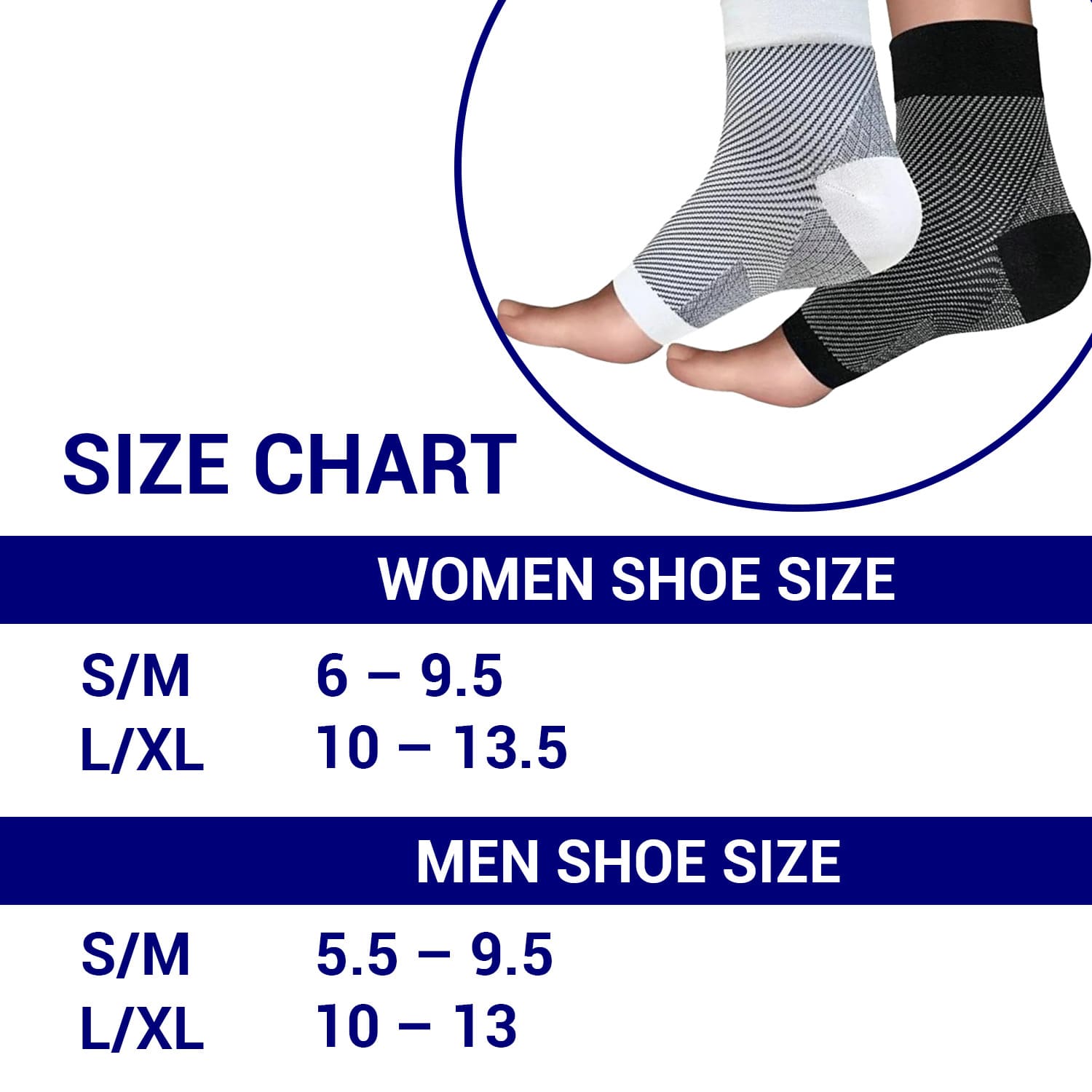
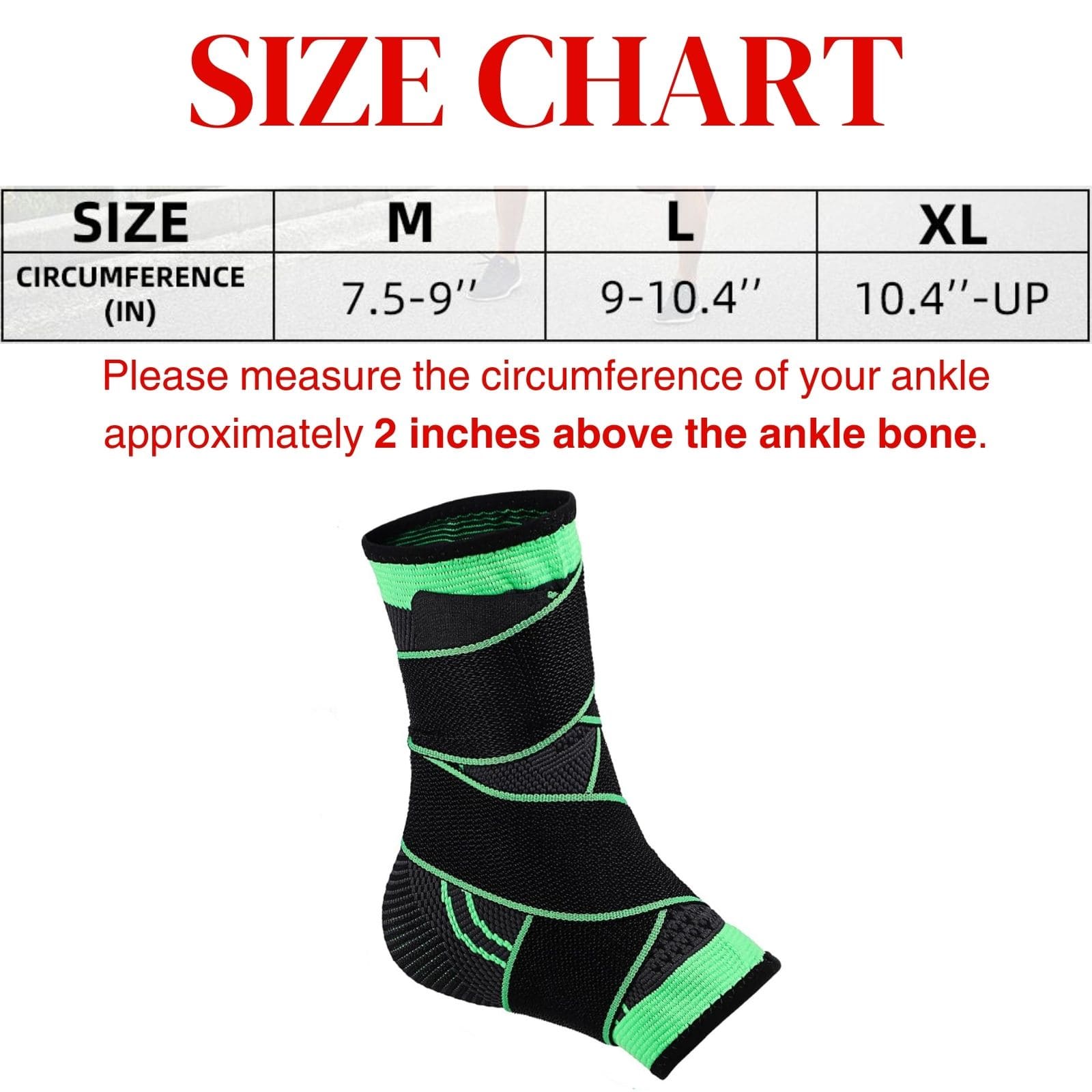
- Sizing Accuracy: Do not guess your size based on your shoe size alone. Therapeutic compression relies on measuring the circumference of your arch and ankle to ensure the correct pressure gradient is achieved. A garment that is too loose will not work; one that is too tight can be dangerous.
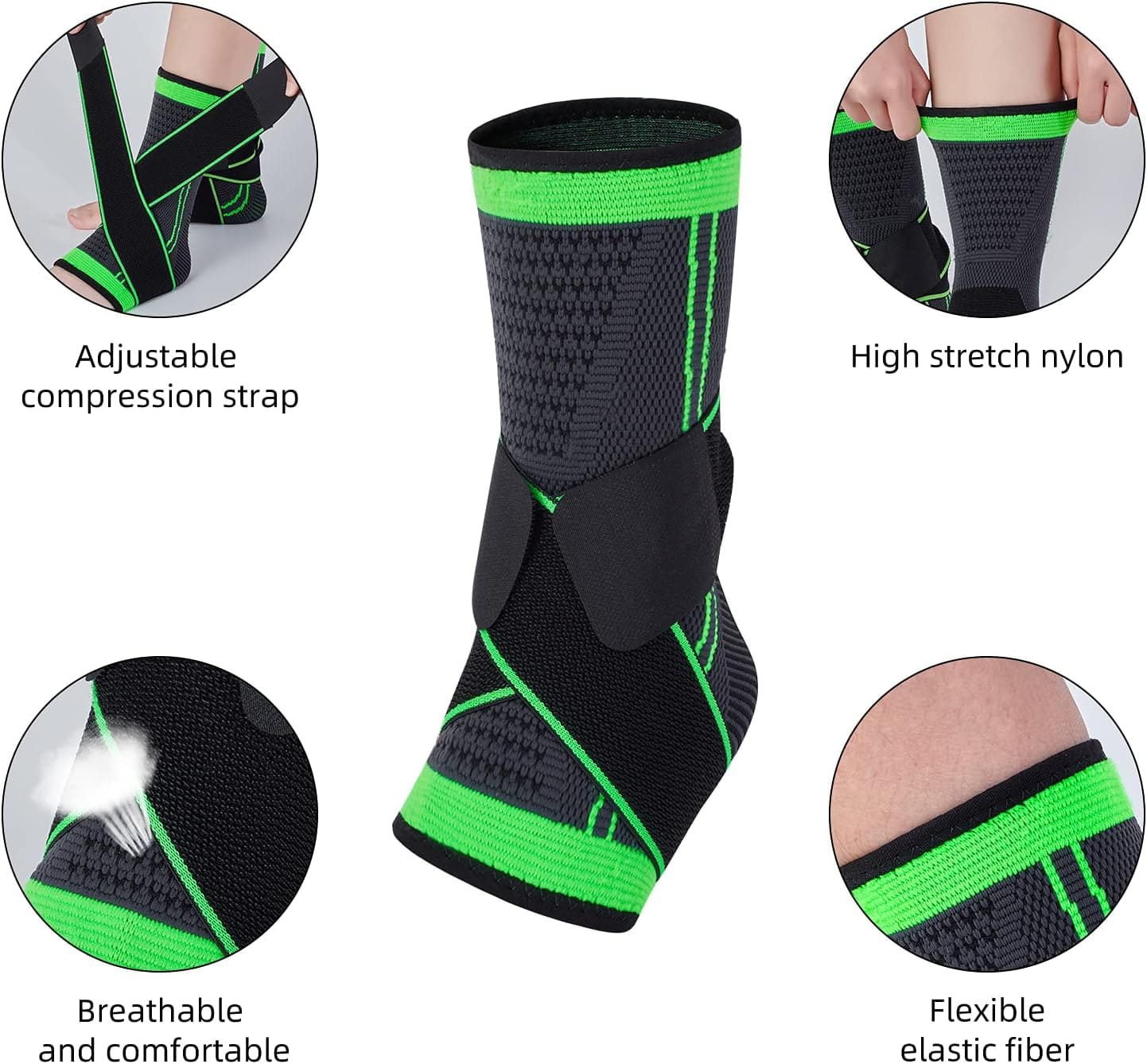
- Material Breathability: Our collection uses nylon-spandex blends that are highly moisture-wicking. This feature is crucial for maintaining foot hygiene and comfort during prolonged wear, particularly in the warmer Australian climate.
Open-Toe Design: The majority of our products feature an open toe. This provides necessary ventilation, prevents cramping, and allows you to wear them with sandals or thongs (if necessary), offering great versatility.
Long-Term Management and Activity
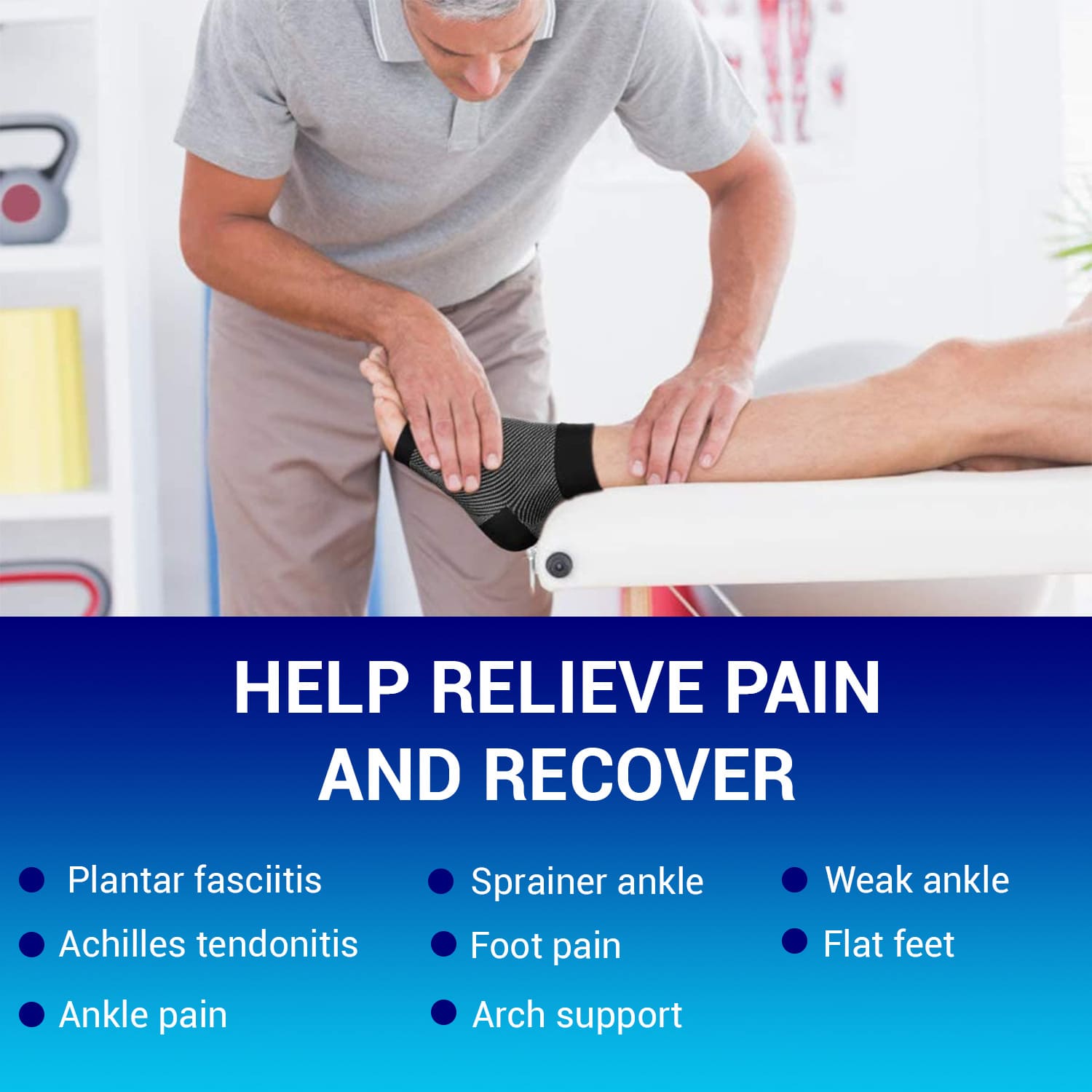
These supports are designed to be integrated into an active lifestyle. By reducing pain and increasing the feeling of stability, they support your continued walking, running, or standing. Consistent use, particularly when paired with professional advice on stretching and appropriate footwear, aids in the ongoing management of PF symptoms.

 Sale
Sale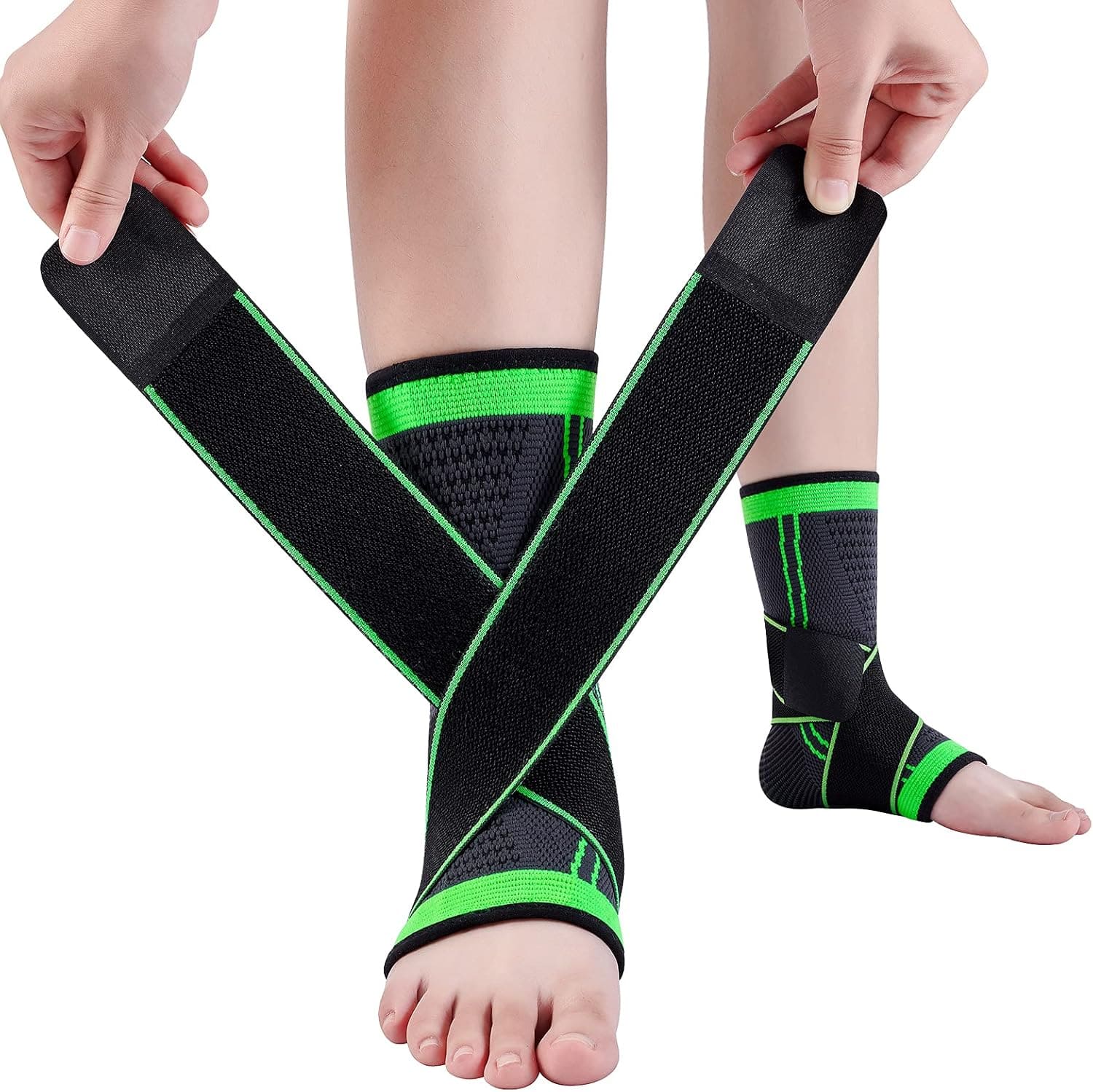 Sale
Sale