When pain is acute, the solution is targeted rest. Our collection of Wrist and Thumb Splints provides the rigid support necessary to restrict harmful movement, allowing injured tendons and ligaments to heal. Whether managing symptoms of Carpal Tunnel Syndrome overnight or stabilising a sprain during the day, our braces are engineered for comfort and effective immobilisation. Find your supportive solution today. Fast shipping Australia-wide.
-
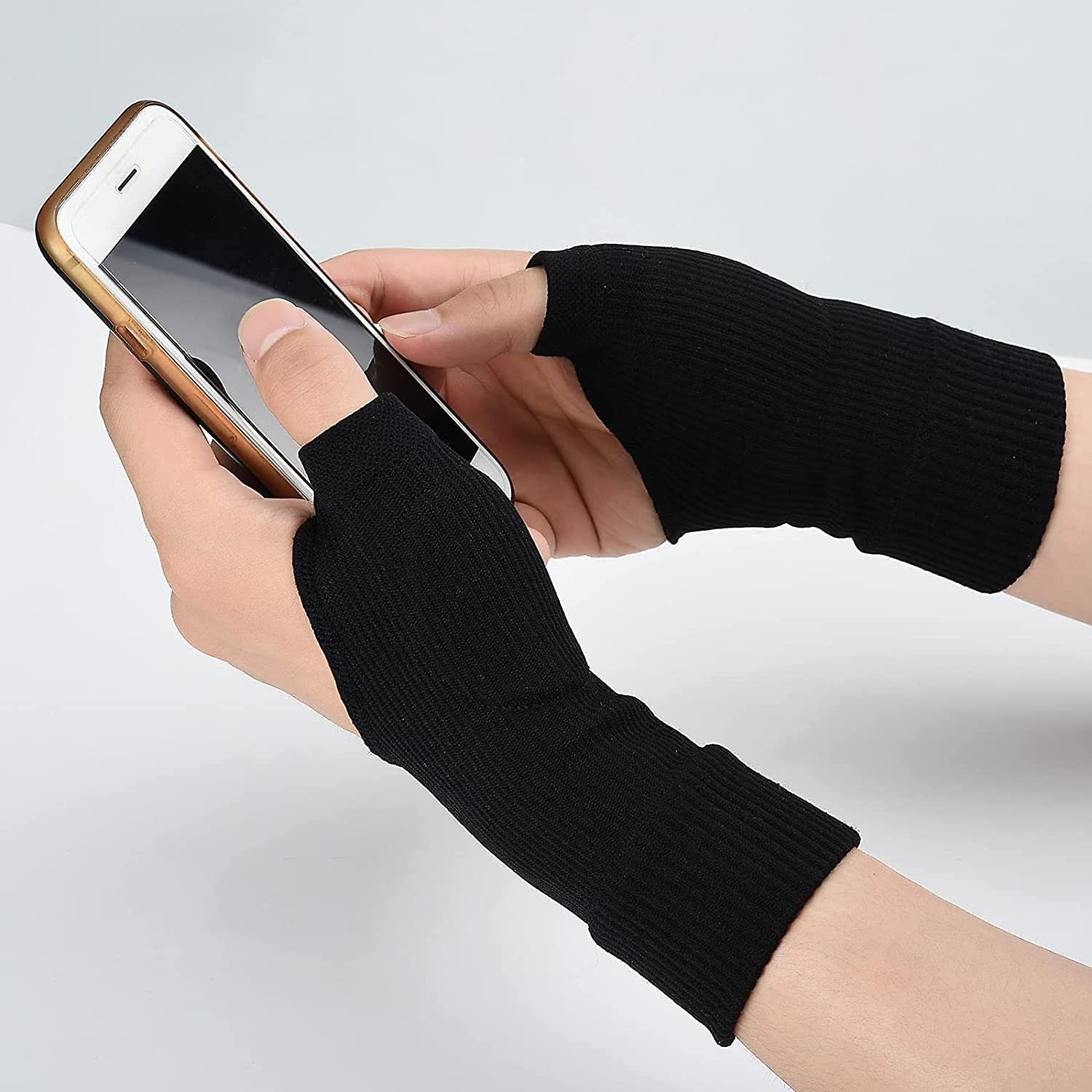
Therapeutic Arthritis Compression Gloves for Hand Pain & Swelling Relief | Open-Finger Design  Sale
SaleTherapeutic Arthritis Compression Gloves for Hand Pain & Swelling Relief | Open-Finger Design
Therapeutic Arthritis Compression Gloves for Hand Pain & Swelling Relief | Open-Finger Design
$24.99Sale price $24.99 Regular price $39.99 -
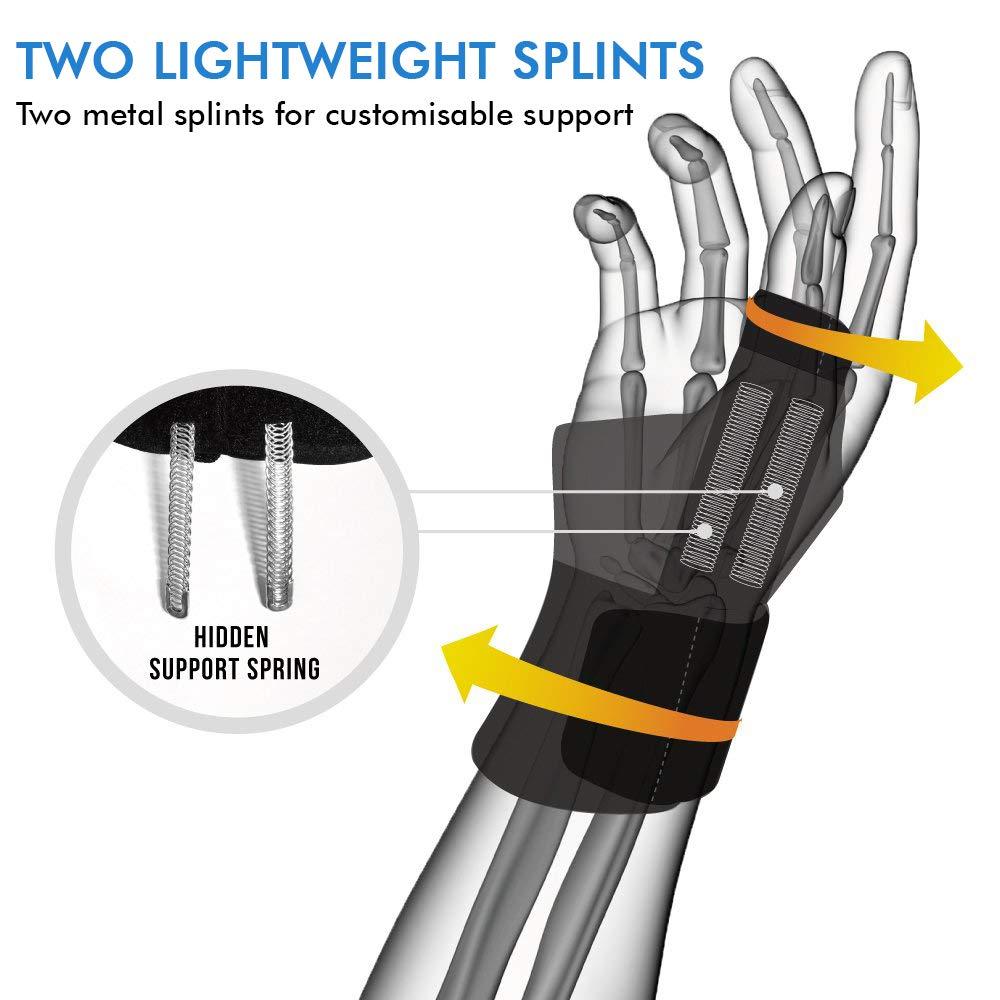
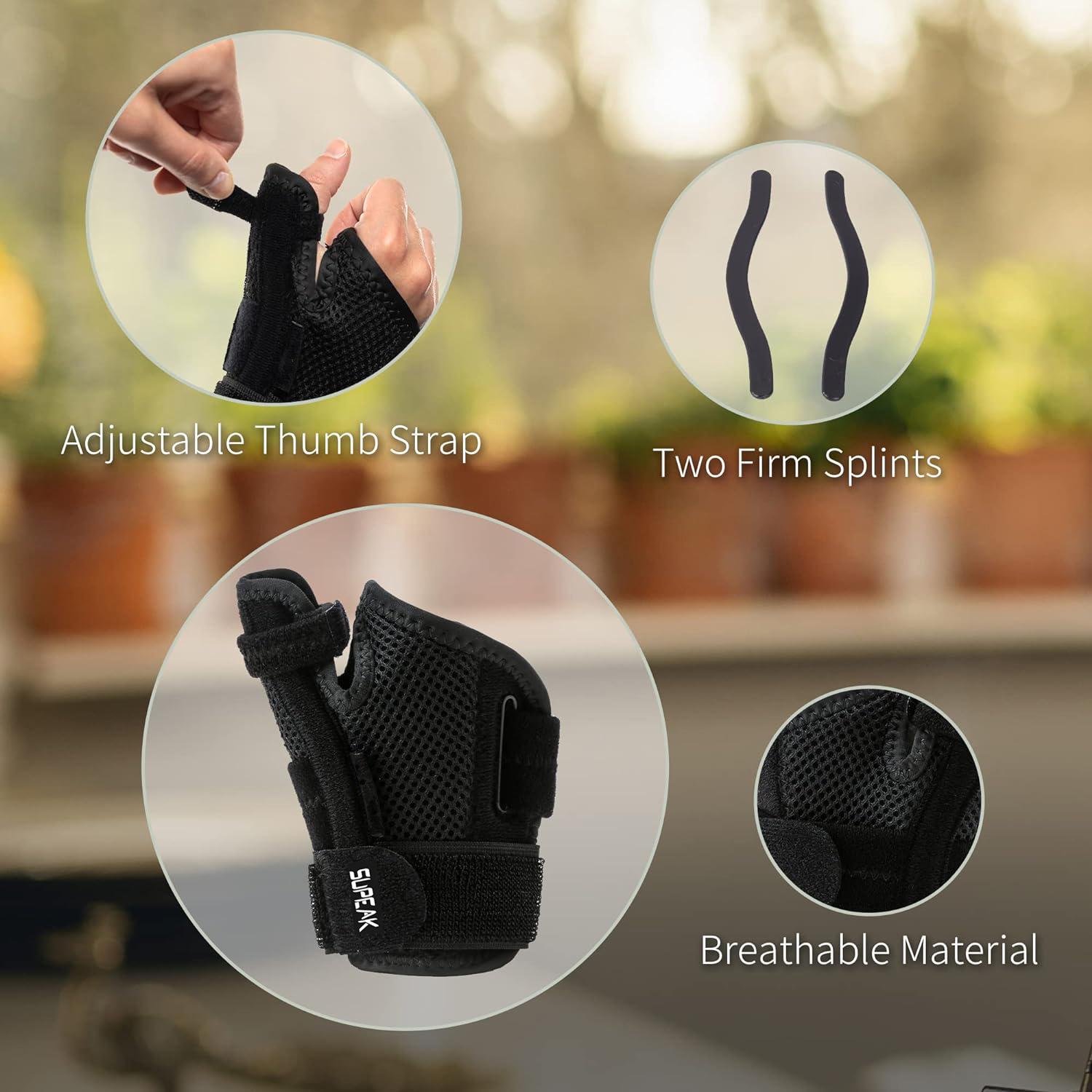
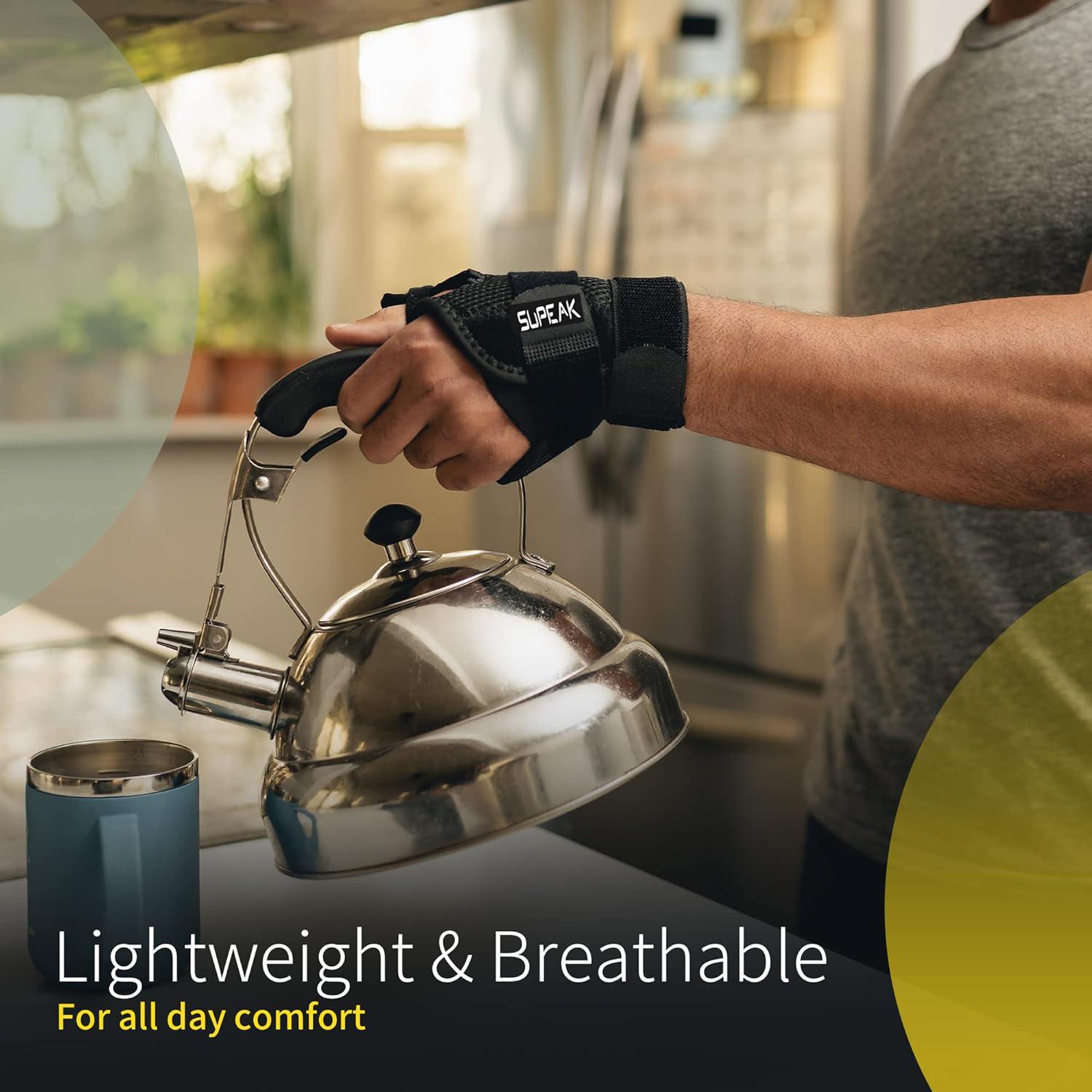
Thumb Support Brace – Thumb Splint for Arthritis, De Quervain’s, Sprains, and Trigger Thumb 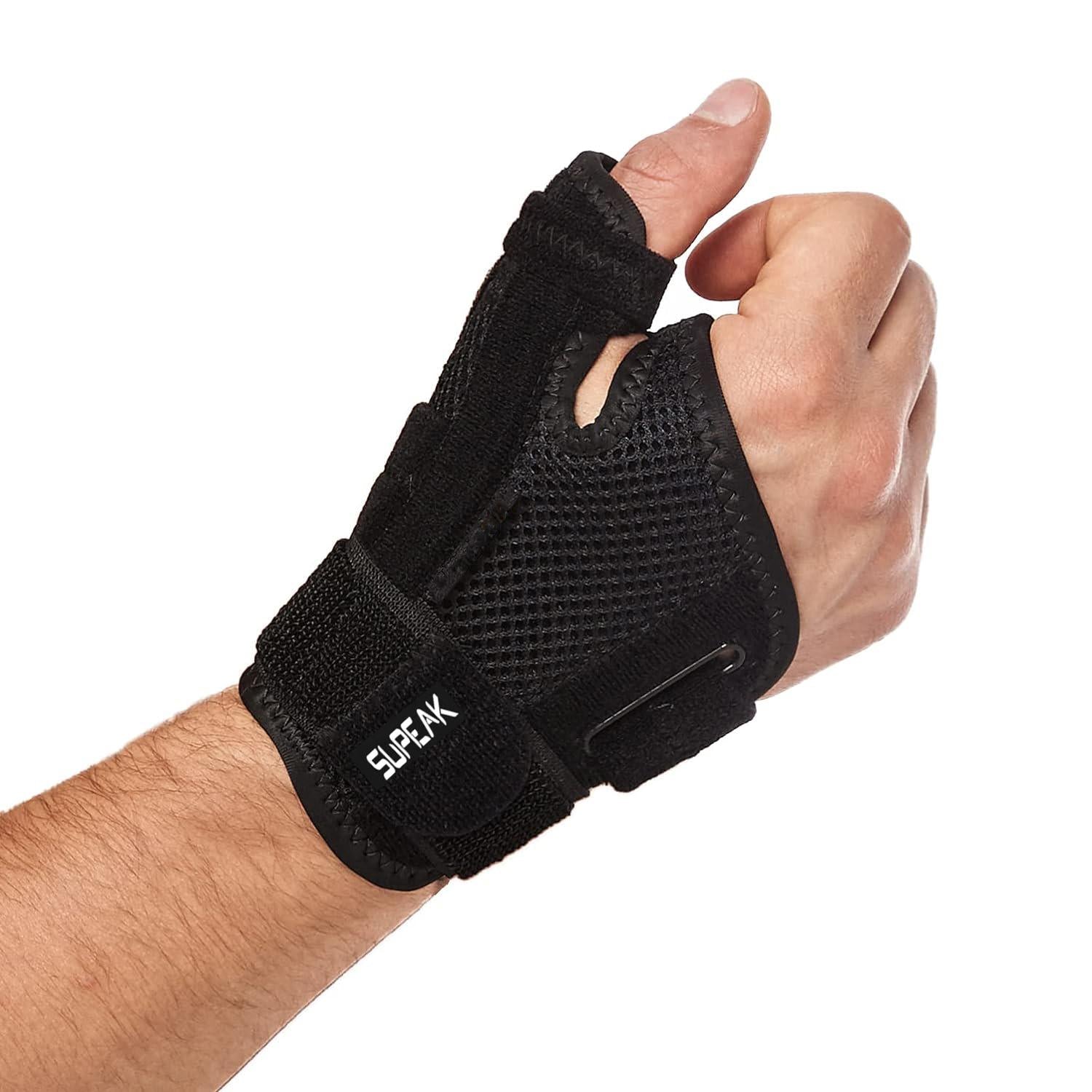 Sale
SaleThumb Support Brace – Thumb Splint for Arthritis, De Quervain’s, Sprains, and Trigger Thumb
Thumb Support Brace – Thumb Splint for Arthritis, De Quervain’s, Sprains, and Trigger Thumb
$31.99Sale price $31.99 Regular price $63.98 -
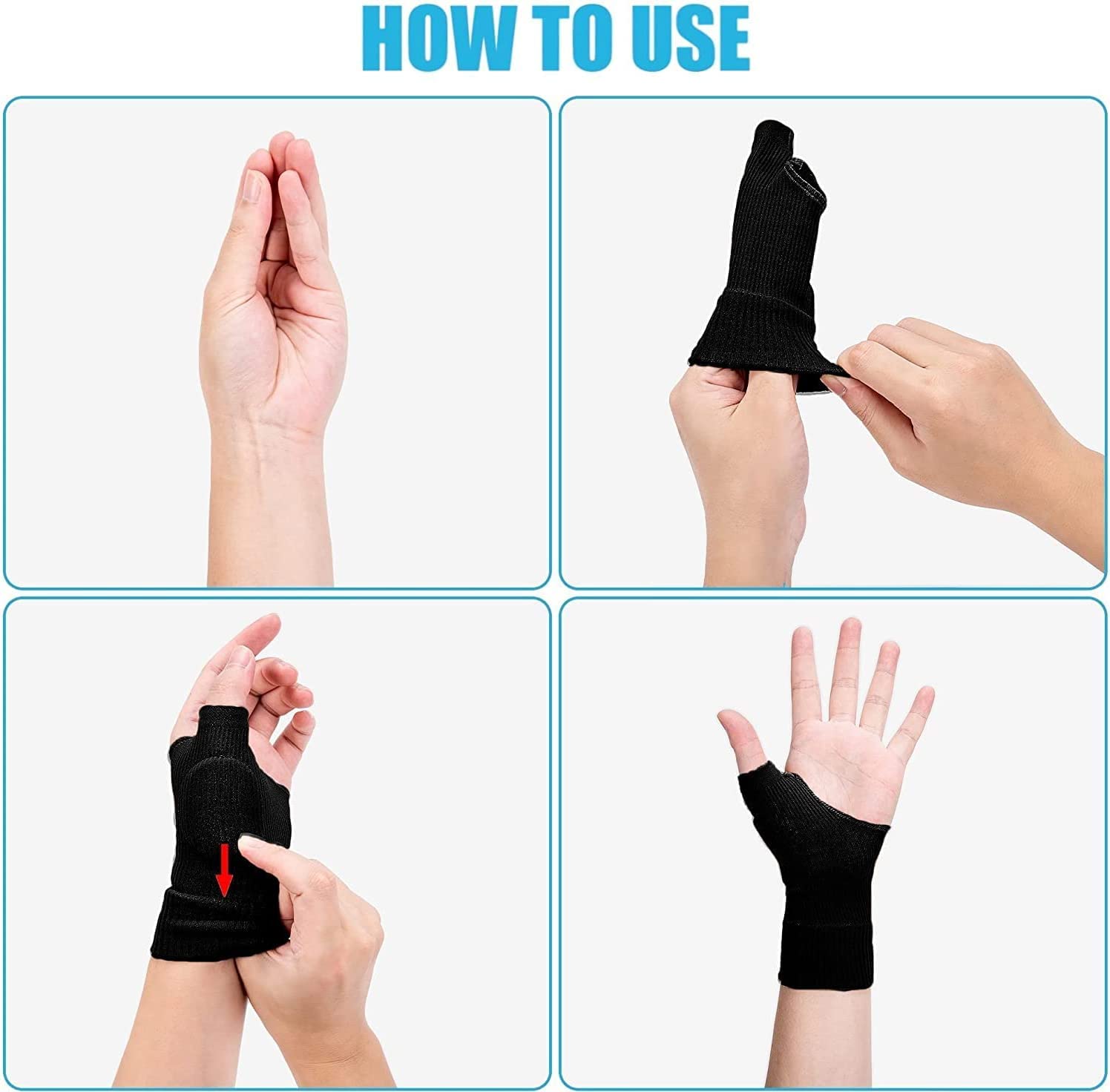
Gel Thumb & Wrist Support Compression Gloves | Arthritis, RSI & Carpal Tunnel Pain Relief 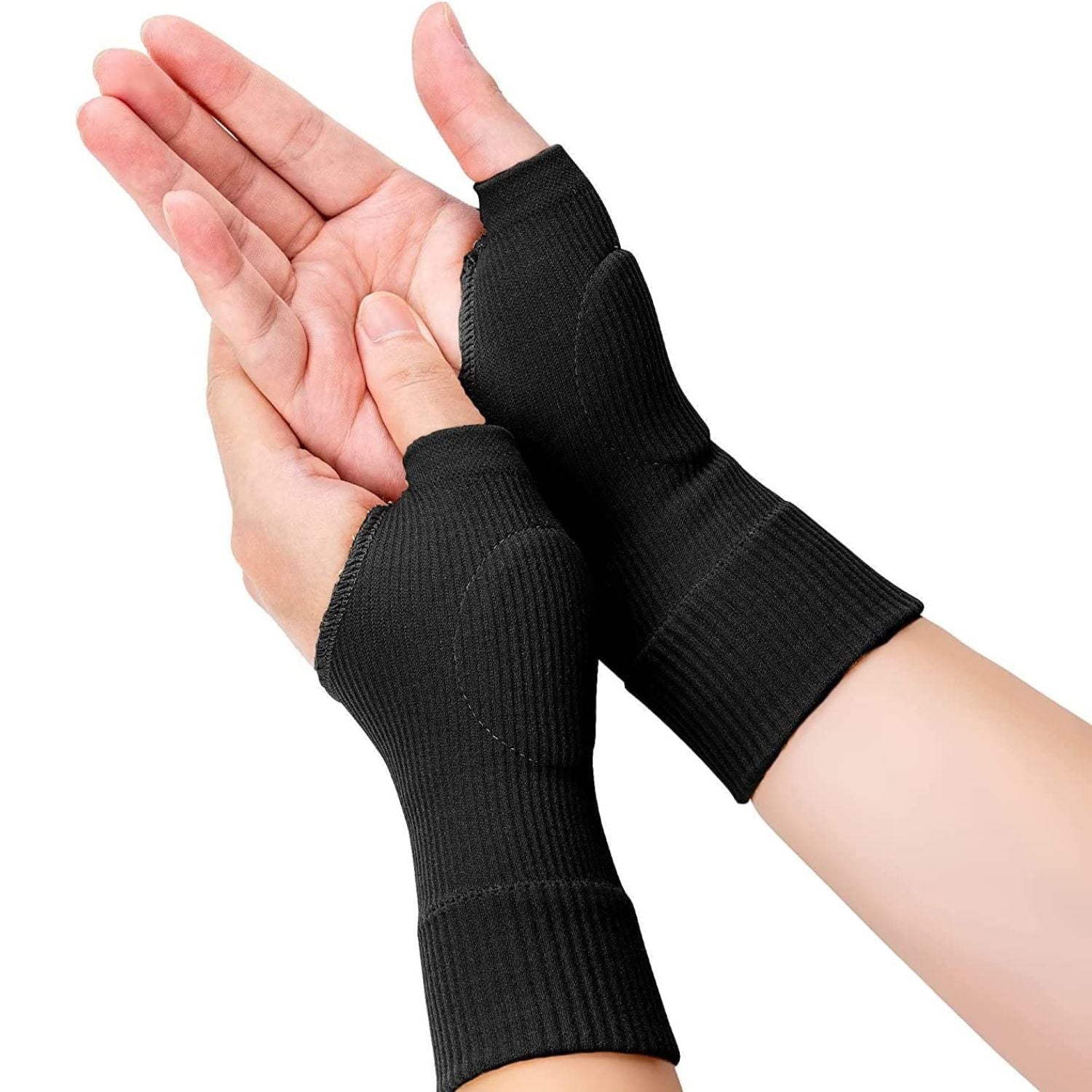 Sale
SaleGel Thumb & Wrist Support Compression Gloves | Arthritis, RSI & Carpal Tunnel Pain Relief
Gel Thumb & Wrist Support Compression Gloves | Arthritis, RSI & Carpal Tunnel Pain Relief
$24.99Sale price $24.99 Regular price $49.99